We use cookies to make your experience better. To comply with the new e-Privacy directive, we need to ask for your consent to set the cookies. Learn more.




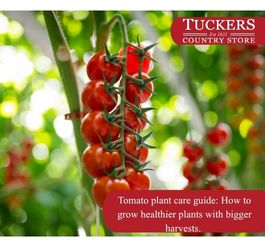
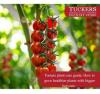
Tomato plant care guide: How to grow healthier plants with bigger harvests.

Start with the Right Growing Position
Tomatoes thrive in warmth and sunlight.
Choose a location that receives plenty of direct sun throughout the day and is protected from strong winds. Greenhouses often provide the most reliable results, but outdoor plants can also produce excellent harvests when given a sheltered spot.
If you're growing in containers, select a large pot with good drainage. Tomatoes are hungry, thirsty plants and perform best when their roots have plenty of room to develop.
Water Little and Often? Not Quite.
One of the biggest mistakes gardeners make is allowing compost or soil to swing between very dry and very wet conditions. Consistent moisture is essential. Water deeply so moisture reaches the root zone rather than simply wetting the surface.
During hot weather, container-grown tomatoes may need watering every day. Regular watering helps prevent issues such as fruit splitting and blossom end rot. A useful addition is a watering ring or irrigation system, which directs moisture exactly where plants need it.
Feed for Better Fruit Production
Tomato plants require plenty of nutrients to support flowering and fruiting. Once the first trusses begin developing fruit, switch to a high-potash tomato feed. Regular feeding encourages stronger crops and improves fruit quality. Follow the manufacturer's recommendations and avoid overfeeding, as excessive nutrients can encourage leafy growth at the expense of tomatoes.
Support Plants Early
Many tomato varieties continue growing throughout the season and need sturdy support. Install canes, stakes, spirals or frames while plants are still young. Adding support early prevents root disturbance later and helps keep stems upright as crops become heavier.
Tie stems loosely as they grow, checking regularly throughout the season.
Understand Your Tomato Type
Different tomatoes require different levels of maintenance.
Cordon Tomatoes
Cordon varieties grow as tall vines and are usually trained onto a single main stem. Remove side shoots that appear between the leaf and stem to focus the plant's energy on fruit production.
Bush Tomatoes
Bush varieties are naturally compact and generally need much less pruning. In most cases, allow them to grow naturally, only providing support where heavy fruit clusters may cause stems to bend.
Pinching Out Side Shoots and Thinning Fruit
To get the best results from cordon tomatoes, it's important to remove unwanted side shoots. These small shoots appear in the angle where a leaf joins the main stem. If left to grow, they develop into additional stems that compete for water and nutrients, resulting in a tangled plant and potentially smaller fruits.
Check plants weekly and gently pinch out young side shoots using your fingers. Removing them while they are small is easier and causes less stress to the plant. As the season progresses, many gardeners also remove the growing tip of cordon tomatoes once several fruit trusses have formed. This encourages the plant to focus its energy on ripening existing fruit rather than producing more foliage and flowers.
Improve Airflow
Good ventilation is one of the simplest ways to reduce disease problems. Avoid overcrowding plants and remove any yellowing leaves near the base. Better airflow allows foliage to dry more quickly after watering and creates less favourable conditions for fungal diseases.
Greenhouse growers should open vents and doors whenever temperatures allow.
Mulch to Reduce Water Stress
Applying a layer of compost or other organic mulch around plants helps retain moisture, suppress weeds and keep roots cooler during warm weather. Leave a small gap around the main stem to avoid encouraging rot. Watch for Common Problems Healthy plants are easier to manage than stressed ones.
Keep an eye out for:
- Yellowing leaves
- Cracked fruit
- Blossom end rot
- Signs of blight
- Wilting during hot weather
Early action often prevents small problems from becoming major setbacks.
Should You Thin Tomatoes?
Some tomato varieties naturally set large numbers of fruits. If clusters become overcrowded, selectively removing a few of the smallest fruits can improve airflow and allow the remaining tomatoes to grow larger and ripen more evenly. Thinning is particularly useful for large-fruited varieties such as beefsteak tomatoes, where fewer fruits often means better size and quality.
Cherry tomato varieties generally do not require thinning, as they are bred to produce heavy clusters of smaller fruits. At the end of the season, removing any remaining flowers that are unlikely to develop into ripe fruit can also help the plant concentrate its resources on maturing the tomatoes already growing.
Harvest at the Right Time
Tomatoes develop their best flavour when allowed to ripen naturally on the plant. Pick fruit once it has reached its full colour and feels slightly firm to the touch. Regular harvesting encourages plants to continue producing throughout the season.
Recommended Tomato-Growing Products
To help your tomato plants perform at their best, consider adding:
- Quality tomato feed for reliable fruit production
- Tomato grow pots and growing bags for container cultivation
- Bamboo canes and plant supports for cordon varieties
- Soft garden ties to secure stems without damage
- Drip irrigation or watering systems for consistent moisture
- Greenhouse shading and ventilation accessories during hot weather
- Plant labels to keep track of different varieties
Final Thoughts
Successful tomato growing comes down to consistency. Provide plenty of sunlight, steady watering, regular feeding and suitable support, and your plants will reward you with a season-long harvest of delicious home-grown fruit. Whether you're cultivating tomatoes in a greenhouse, raised bed or patio container, a little routine care can make a remarkable difference to both yield and flavour.
June 18, 2026
|
View: 82
|
Categories: Advice & Guides
|
By: <a class="mp-info" href="https://www.edwintucker.co.uk/blog/author/coralie.html">Coralie</a>

About the Author

Related Posts


Get to know the birds in your garden.
October 16, 2025| Posted in Advice & Guides| Hamish| 1419
How to Choose the Best Eco-Friendly Christmas Tree
December 2, 2025| Posted in Advice & Guides| Hamish| 675

Future for Ashburton Country Store
November 16, 2022
Forage Kale
March 16, 2022

Get to know the birds in your garden.
October 16, 2025

Christmas and New Year Opening Times 2024
November 29, 2024
Swede
March 16, 2022

Sign up today! Free CPD Training for Farmers.
June 4, 2026

Be Laminitis Aware This Spring
May 14, 2026