We use cookies to make your experience better. To comply with the new e-Privacy directive, we need to ask for your consent to set the cookies. Learn more.




Be Laminitis Aware This Spring

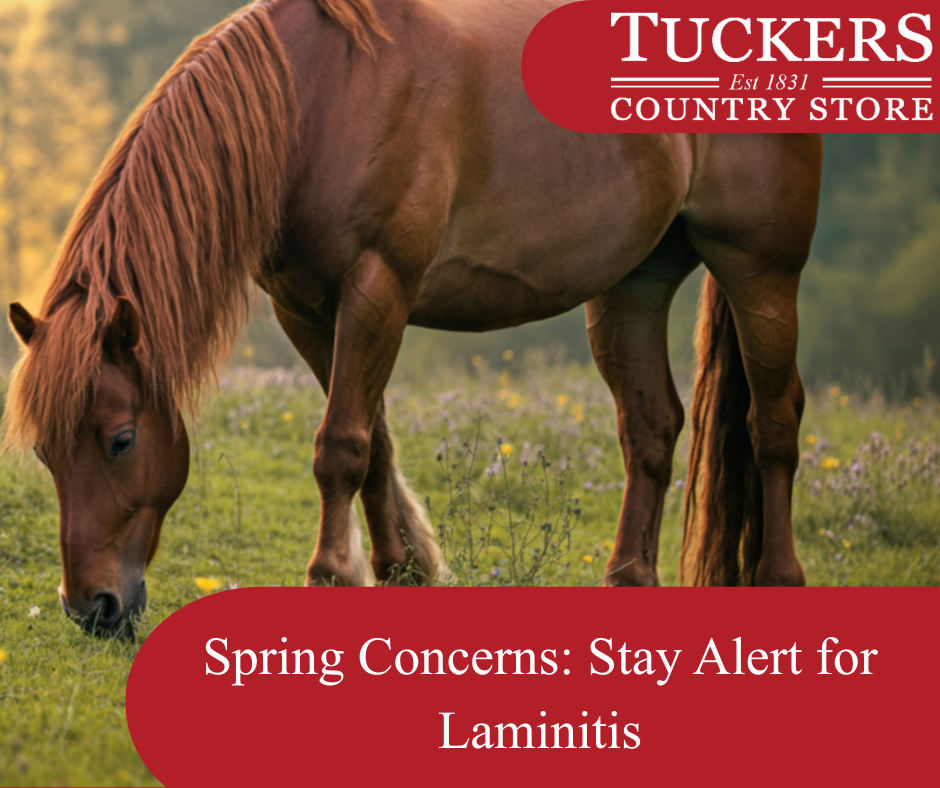
Spring brings longer days, fresh grazing, and the excitement of horses heading back out into lush paddocks. But while the season is welcome after winter, it also brings an increased risk of laminitis — a serious and painful condition that every horse owner should remain vigilant about.
Although laminitis can occur at any time of year, research shows that recent weight gain — often unnoticed by owners — is one of the most common triggers. Rich spring grass, especially after cool nights and bright frosty mornings, can contain high levels of sugars, making this a particularly high-risk period.
Many owners recognise the classic laminitic stance, where a horse rocks back onto its heels to relieve pressure from painful front feet. However, the earliest warning signs can be much more subtle, and spotting them quickly can make a huge difference.
Early Signs of Laminitis to Watch For
Keep an eye out for:
- Difficulty turning
- A short, stilted walk
- Increased hoof temperature
- Weight shifting between feet
If you notice any unusual behaviour or movement changes, speak to your vet promptly. Early intervention is essential.
Prevention Starts with Management
Careful management is one of the best ways to reduce laminitis risk. Monitoring your horse’s body condition score regularly is important, especially during spring when weight gain can happen quickly.
Good hoof care and targeted nutritional support are also key. Horses prone to laminitis benefit from feeds that provide essential nutrients without excess calories, starch, or sugar.
Choose a Laminitis-Friendly Balancer
Using a low-calorie balancer helps ensure your horse still receives essential vitamins, minerals, and amino acids while supporting weight control.
Popular options include:
- TopSpec AntiLam
- Baileys No.14 Lo-Cal Balancer
These feeds are designed specifically for horses and ponies that require controlled starch and sugar intake.
Consider Low-Sugar Forage Replacers
Swapping to low-sugar chaffs can help reduce unnecessary sugar intake while maintaining fibre consumption.
Some excellent options from Dengie include:
- Meadow Lite with Herbs
- Hi-Fi Lite
- Hi-Fi Molasses Free
- Ulser Lite
- Healthy Hooves Molasses Free
These products can be useful for horses needing careful dietary management during higher-risk grazing periods.
Grazing Management Matters
Restricting grass intake can be extremely effective for horses at risk of laminitis. Grazing muzzles are a practical tool that significantly reduce grass consumption while still allowing turnout and social interaction.
Combined with sensible turnout routines and close monitoring, they can help owners manage spring grazing more safely.
Stay Vigilant This Spring
Laminitis can develop quickly, and the early signs are often easy to miss. By monitoring weight, managing grazing carefully, supporting hoof health, and feeding appropriately, owners can help reduce the risk and keep horses healthy throughout the grazing season.
If in doubt, always consult your vet or equine nutritionist for tailored advice.
May 14, 2026
|
View: 218
|
Categories: Advice & Guides
|
By: <a class="mp-info" href="https://www.edwintucker.co.uk/blog/author/coralie.html">Coralie</a>

About the Author

Related Posts


Sign up today! Free CPD Training for Farmers.
June 4, 2026| Posted in Advice & Guides| Coralie| 110
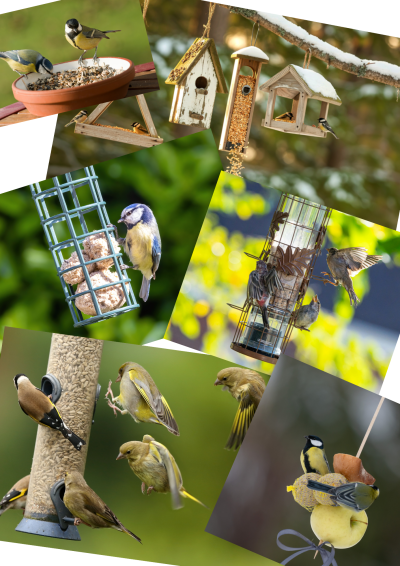
Get to know the birds in your garden.
October 16, 2025| Posted in Advice & Guides| Hamish| 1496
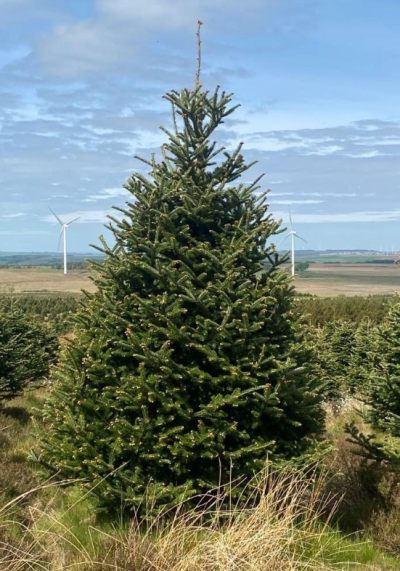
How to Choose the Best Eco-Friendly Christmas Tree
December 2, 2025| Posted in Advice & Guides| Hamish| 746

Future for Ashburton Country Store
November 16, 2022

Forage Kale
March 16, 2022
Get to know the birds in your garden.
October 16, 2025

Christmas and New Year Opening Times 2024
November 29, 2024

Swede
March 16, 2022
Why is natural fertilizer such a great idea?
August 13, 2026

Why choose Metazone for your horse?
August 7, 2026
What is really in your compost?
July 25, 2026

Stay Safe on the Farm.
July 9, 2026