We use cookies to make your experience better. To comply with the new e-Privacy directive, we need to ask for your consent to set the cookies. Learn more.




Gardening for Wildlife: How Healthy Soil Creates Thriving Gardens and Biodiversity

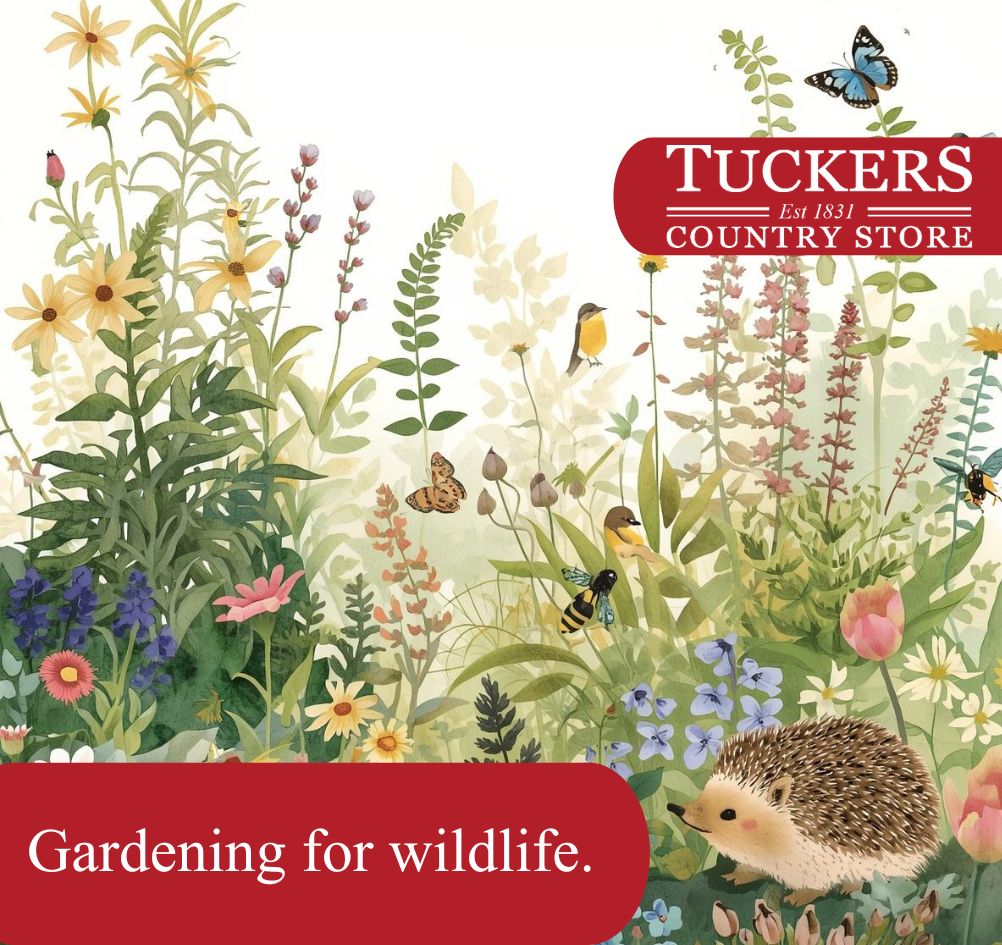
How Healthy Soil Creates Thriving Gardens and Biodiversity
Modern gardens have the potential to be far more than neat, ornamental spaces. They can become rich, living ecosystems that support wildlife, pollinators, healthy soils, and resilient plants — all while remaining beautiful and productive.
Gardening for wildlife is not about doing nothing. It’s about working with nature, understanding soil biology, and making small, informed choices that have a big ecological impact. Drawing on principles from agricultural science, soil biology, and conservation, this guide explains why soil health matters, what wildlife really needs, and how gardeners can make a difference — even in small urban spaces.
Why Gardening for Wildlife Matters
Wildlife-friendly gardening is often presented as bird feeders, nest boxes, or planting a few wildflowers. While these are valuable, they only scratch the surface. The true foundation of a wildlife garden lies beneath your feet.
Healthy soil supports:
- Pollinators such as bees, butterflies, and hoverflies
- Birds that rely on insects for food
- Amphibians, worms, fungi, and microbes
- Strong, disease‑resistant plants
Around 75% of global crop plants require animal pollination, including many fruits and vegetables grown at home. Bees are the most well‑known pollinators, but beetles, flies, moths, birds, and bats also play vital roles. Without healthy gardens acting as refuges, these species decline — and so does biodiversity.
The Hidden World Beneath Your Garden
Soil Is Alive
Soil is not just dirt. A single teaspoon of healthy soil can contain billions of microorganisms — bacteria, fungi, protozoa, and microscopic animals working together to cycle nutrients, protect plants, and store carbon.
Healthy soil performs four essential functions:
- Improves nutrient availability
- Supports plant–microbe communication
- Suppresses disease‑causing pathogens
- Builds stable soil structure
When soils are continuously disturbed, compacted, or chemically overloaded, this biological balance breaks down.
The Three Components of Soil Fertility
For gardening for wildlife, it’s crucial to understand that soil fertility is not just about fertiliser.
1. Chemical
- Mineral balance
- Soil pH
- Cation Exchange Capacity (CEC)
2. Physical
- Soil structure (sand, silt, clay)
- Organic matter content
- Compaction and pore space
3. Biological
- Microbial activity (bacteria and fungi)
- Oxygen, moisture, temperature
- Humic organic matter
Wildlife‑friendly gardening puts biological soil health first — because when biology thrives, chemistry and structure follow.
Mycorrhizal Fungi: Nature’s Underground Network
One of the most important — yet overlooked — relationships in soil is mycorrhiza. These specialised fungi form mutually beneficial partnerships with plant roots.
Mycorrhizal fungi:
- Extend the effective root system of plants
- Improve nutrient and water uptake
- Help plants withstand drought and stress
- Bind soil particles together for better structure
In return, plants feed fungi sugars produced during photosynthesis. This invisible partnership is fundamental to resilient, wildlife‑supporting gardens.
Glomalin and Carbon Storage: Gardening for the Climate Too
As mycorrhizal fungi grow, they produce a sticky protein called glomalin — sometimes described as “your soil’s best friend”.
Glomalin:
- Improves soil aggregation
- Reduces erosion
- Increases carbon storage
By encouraging soil life through composting, mulching, and minimal disturbance, gardens become carbon sinks, helping to remove carbon from the atmosphere and store it safely in the soil.
Why “Messy” Gardens Are Better for Wildlife
Perfectly tidy gardens may look appealing, but they offer little habitat for wildlife.
Leaving areas slightly messy provides:
- Shelter for insects and amphibians
- Overwintering sites for beneficial species
- Leaf litter for fungi and soil organisms
Leaf cover, fallen stems, and deadwood are resources — not waste.
Gardening for wildlife means shifting from control to co‑operation.
Composting: Feeding Soil, Not Just Plants
Composting is one of the most effective actions any gardener can take.
Benefits include:
- Improved soil structure
- Increased microbial diversity
- Slow, steady nutrient release
- Reduced food waste
Compost feeds the soil food web, which in turn feeds plants and wildlife. Restrict compost inputs to a balanced range of materials and avoid heavily contaminated waste for best results.
Ponds and Water: Biodiversity Hotspots
Even the smallest pond or wet area can dramatically increase wildlife in a garden.
A wildlife pond:
- Broadens plant diversity
- Provides breeding sites for frogs, toads, and newts
- Supports insects such as dragonflies
- Offers drinking and bathing areas for birds and mammals
Design ponds with shallow edges so wildlife can enter and exit safely.
Cover Crops: Not Just for Farms
Cover crops are increasingly popular in home gardens — and for good reason.
They:
- Protect soil from erosion
- Suppress weeds naturally
- Improve soil structure
- Feed beneficial microbes
Useful cover crops include:
- Rye
- Phacelia
- Vetch
- Buckwheat
- Crimson clover
- Mustard
Legumes such as clovers and vetch host rhizobia bacteria, which fix nitrogen naturally — reducing the need for synthetic fertilisers.
No‑Dig Gardening: Protecting Soil Life
No‑dig or minimum‑dig gardening avoids constant soil disturbance.
Benefits include:
- Healthier soil biology
- Reduced weed pressure
- Better moisture retention
It does require:
- Plenty of organic matter
- Consistent soil cover
- Patience, particularly on heavy clay soils
Introducing no‑dig gradually is often the most successful approach.
Reducing the “Kill Factor” in the Garden
Many common garden products harm wildlife unintentionally.
These include:
- Slug pellets
- Insecticides
- Weed killers
- Synthetic fertilisers
Even “natural” products, such as some pyrethrum‑based sprays, can negatively affect beneficial insects.
Wildlife‑friendly alternatives focus on:
- Physical pest control
- Deterrents rather than toxins
- Encouraging natural predators
- Improving plant and soil health
Healthy systems don’t need constant chemical intervention.
Wildlife Gardening Is a Mindset
Gardening for wildlife is not about perfection. It’s about intention.
Key principles include:
- Soil‑oriented thinking
- Habitat creation
- Organic‑based approaches
- Encouraging insects, not eliminating them
- Composting and plant diversity
- Accepting a little mess
When you garden with biology in mind, wildlife doesn’t need to be invited — it arrives naturally.
Final Thoughts: Be Proud to Garden for Wildlife
Every garden, balcony, allotment, or community space has ecological value. By focusing on healthy soil, reduced inputs, and biological balance, gardeners can create resilient landscapes that benefit plants, pollinators, wildlife, and people alike.
Gardening for wildlife isn’t a trend — it’s a return to understanding how nature works.
And it starts in the soil.
Supporting Plants Naturally with Grazers, Garden Growers & Root‑Enhancing Products
For gardeners looking to protect plants while staying wildlife‑friendly, Grazers® products offer an effective, non‑toxic way to deter grazing pests such as rabbits, deer, pigeons, slugs, and caterpillars without killing them or harming beneficial insects.
Grazers work by strengthening plant tissue using nutrient‑based foliar sprays, making plants less palatable to pests while supporting healthier growth — an approach that fits perfectly within sustainable, biodiversity‑focused gardening practices.
To support soil health from the ground up, Traditional Garden Growers specialise in wool‑based, slow‑release soil conditioners that improve moisture retention, feed soil biology, and encourage strong root development over time — helping plants establish naturally in both gardens and allotments.
When used alongside root‑enhancing products, such as biological root stimulants and mycorrhizal soil amendments, gardeners can boost root resilience, nutrient uptake, and plant establishment while reducing reliance on synthetic fertilisers. Together, these approaches strengthen the soil‑plant system, supporting healthier plants, improved wildlife habitats, and a more balanced garden ecosystem.
April 9, 2026
|
View: 236
|
Categories: Advice & Guides
|
By: <a class="mp-info" href="https://www.edwintucker.co.uk/blog/author/coralie.html">Coralie</a>

About the Author

Related Posts



Sign up today! Free CPD Training for Farmers.
June 4, 2026| Posted in Advice & Guides| Coralie| 111
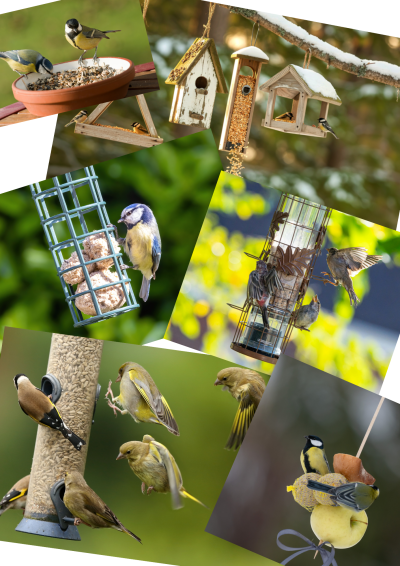
Get to know the birds in your garden.
October 16, 2025| Posted in Advice & Guides| Hamish| 1496

How to Choose the Best Eco-Friendly Christmas Tree
December 2, 2025| Posted in Advice & Guides| Hamish| 746

Future for Ashburton Country Store
November 16, 2022

Forage Kale
March 16, 2022
Get to know the birds in your garden.
October 16, 2025

Christmas and New Year Opening Times 2024
November 29, 2024

Swede
March 16, 2022
Why is natural fertilizer such a great idea?
August 13, 2026

Why choose Metazone for your horse?
August 7, 2026

What is really in your compost?
July 25, 2026

Stay Safe on the Farm.
July 9, 2026