We use cookies to make your experience better. To comply with the new e-Privacy directive, we need to ask for your consent to set the cookies. Learn more.




How to Grow Your Own Seed Potatoes.

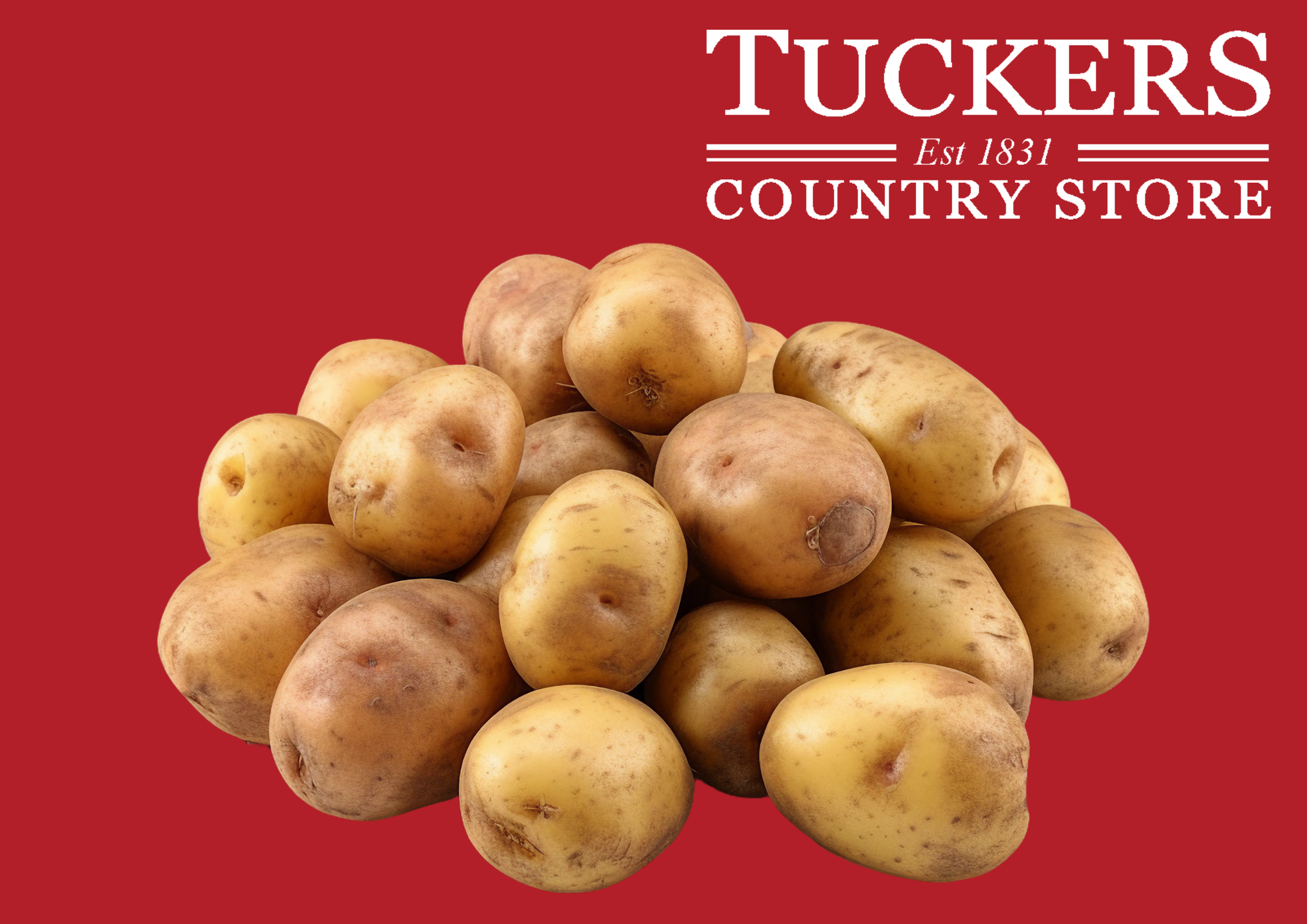
How to Grow Potatoes at Home: A Complete Beginner’s Guide
Growing your own potatoes is one of the easiest and most rewarding ways to produce fresh, home-grown food. Whether you are planting in the ground or growing potatoes in containers on a patio, this guide will show you how to grow potatoes successfully, from seed preparation to harvesting and storage.
Potatoes are ideal for beginners, produce high yields, and taste far better than shop-bought alternatives. Follow these helpful hints to enjoy a healthy and productive potato crop.
Choosing and Preparing Seed Potatoes
Always use certified seed potatoes rather than supermarket potatoes, as they are disease-free and bred for reliable growth. Once you receive your seed potatoes, remove them from any net or bag immediately.
Place them in a shallow tray or egg box with the shoots facing upwards. This process, known as chitting, encourages strong early growth.
How to Chit Potatoes
-
Place seed potatoes in a bright, cool, frost-free location
-
Ensure maximum exposure to natural light
-
Protect from frost
-
Allow around 6 weeks for chitting
Healthy seed potatoes will develop several sturdy shoots measuring 1–3 cm (½–1 in).
When and How to Plant Potatoes
Preparing the Soil
For best results, prepare the ground well in advance. Dig over the soil and add well-rotted manure or compost, ideally in autumn for spring planting. From February onwards, prepare your seed bed as weather and soil conditions allow.
Apply fertiliser at a rate of 100 g per square metre (3 oz per square yard). Use half at planting time and reserve the remainder for the trench base.
Planting Depth and Spacing
-
Plant potatoes 10–15 cm (4–6 in) deep
-
Space tubers 30 cm (12 in) apart
-
Leave 60–75 cm (24–30 in) between rows
Plant tubers in trenches with the remaining fertiliser spread along the bottom and lightly covered with soil. Place seed potatoes on top with shoots facing upwards, then refill the trench.
Best Time to Plant Potatoes
-
Early potatoes: March–April
-
Maincrop potatoes: April–May (once the risk of frost has passed)
Caring for Potato Plants
As the potato plants grow, regular care will ensure a better harvest.
Earthing Up
When the leafy growth (known as haulm) reaches around 20 cm (8 in) high, begin earthing up by drawing soil around the base of the stems. This protects developing tubers from light and prevents them from turning green.
Watering
Water potato plants thoroughly during long dry spells, especially once tubers begin to form. Consistent moisture leads to better-sized potatoes.
Harvesting and Storing Potatoes
When to Harvest Potatoes
-
Early potatoes: Ready in 9–12 weeks from planting, once flowers are fully open
-
Maincrop potatoes: Ready after approximately 14 weeks
Storing Potatoes
If you plan to store potatoes long-term:
-
Cut off the haulm once plants die back
-
Leave tubers in the ground for 14 days to allow skins to harden
-
Lift carefully and store in a cool, dark, dry place
Proper storage helps potatoes last for several months.
Growing Potatoes in Containers and on Patios
Potatoes grow very well in containers, making them ideal for patios, balconies, and small gardens.
Container Growing Tips
-
Use tubs at least 45 cm (18 in) in diameter
-
Fill with high-quality compost
-
Keep soil consistently moist
-
Cover the surface with black polythene or compost to block out light
-
Cut slits above each seed potato to allow shoots to grow through
Container-grown potatoes are easy to manage and quick to harvest.
Common Potato Pests and Problems
Slugs
Slug damage is most common in wet or heavy soils. To reduce problems:
-
Avoid excessive use of manure in heavy soil
-
Improve drainage where possible
-
Use wildlife-friendly slug controls or traps
Regular checks will help prevent damage before it becomes severe.
Final Tips for Growing Potatoes Successfully
Potatoes are a versatile and reliable crop suitable for gardeners of all skill levels. With good soil preparation, regular care, and correct planting times, you can enjoy a generous harvest of fresh, home-grown potatoes from your garden or patio.
By following this guide, you will be well on your way to mastering how to grow potatoes at home and enjoying delicious results straight from the soil.
January 22, 2026
|
View: 489
|
Categories: Tuckers Seeds, Advice & Guides
| Tags: <a class="mp-info" href="https://www.edwintucker.co.uk/blog/tag/seed-potatoes.html">seed potatoes</a>
|
By: <a class="mp-info" href="https://www.edwintucker.co.uk/blog/author/hamish.html">Hamish</a>

About the Author

Related Posts



Sign up today! Free CPD Training for Farmers.
June 4, 2026| Posted in Advice & Guides| Coralie| 111
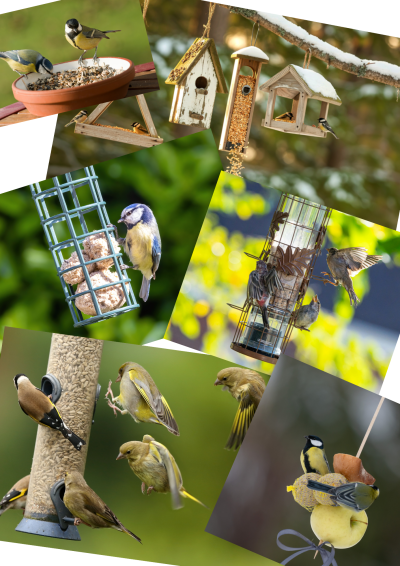
Get to know the birds in your garden.
October 16, 2025| Posted in Advice & Guides| Hamish| 1496

How to Choose the Best Eco-Friendly Christmas Tree
December 2, 2025| Posted in Advice & Guides| Hamish| 746

Future for Ashburton Country Store
November 16, 2022

Forage Kale
March 16, 2022

Get to know the birds in your garden.
October 16, 2025

Christmas and New Year Opening Times 2024
November 29, 2024
Swede
March 16, 2022

Why is natural fertilizer such a great idea?
August 13, 2026

Why choose Metazone for your horse?
August 7, 2026
What is really in your compost?
July 25, 2026

Stay Safe on the Farm.
July 9, 2026